



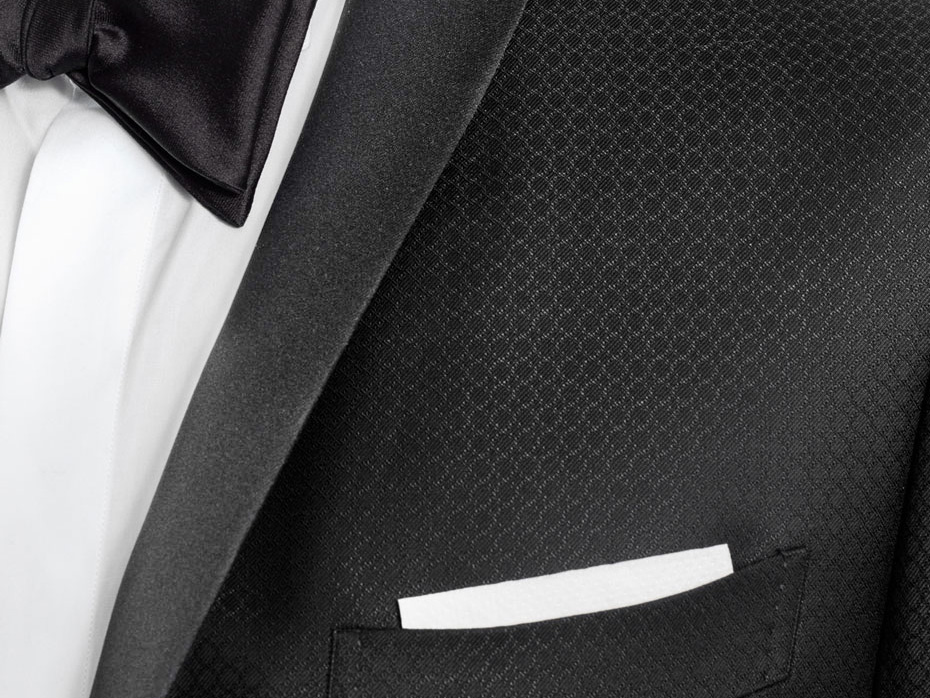
Whether it’s a graduation, a christening, or a wedding, the term “ceremony suit” is becoming increasingly common. Classic suits, even when crafted in dark colours and perfectly tailored, represent a valid alternative, although they can sometimes lack the required level of formality. Tuxedos, on the other hand, thanks to their shape and heritage, have always been the ideal choice for the most special occasions.
If we have to say it, partly out of love for tradition and partly out of respect for etiquette, we Italians are not the biggest fans of the tuxedo as a wedding suit. However, it is also true that weddings seem to be one of the few occasions left throughout the year to show off a true black-tie look.
Simply choosing to wear a tuxedo is not an automatic guarantee of elegance and sophistication. There are, in fact, a few important rules to follow in order to make a black-tie look truly impeccable and avoid making common style mistakes.
Here are our tips on when, where, and how to wear a tuxedo and take the first big step towards true elegance.
Menu
What is a Tuxedo: History and Origins
When to wear a tuxedo
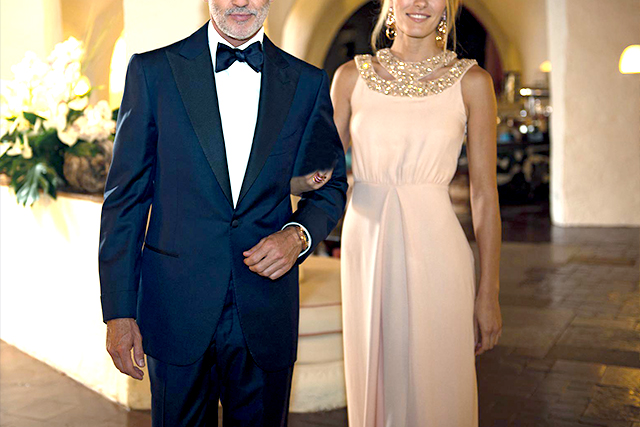
Since its origins, the tuxedo has always been considered the ultimate men’s evening attire. The original purpose of this type of clothing was to replace the outfit worn throughout the day, allowing men to leave behind the dirt and odours of a day spent riding horses or in the city.
The choice of wearing a tuxedo embodied the desire — among people of high social standing — to appear fresh, clean, and as elegant as possible when attending social occasions. This tradition continued even with the arrival of the automobile, when these needs no longer had a real practical justification.
Before the Second World War, tuxedos and tailcoats were still considered the only appropriate attire for elegant evening events. After the war, however, the traditional suit — originally considered business attire — gradually became accepted for informal evening and daytime occasions. As a result, the use of the tuxedo became reserved exclusively for formal evening events.
For an evening occasion
Since its origins, the tuxedo has been regarded as the ultimate expression of men’s evening elegance. Originally, this garment was designed to replace the clothes worn during the day, allowing gentlemen to leave behind the dust and odours of time spent outdoors, travelling, or in the city.
Wearing a tuxedo represented the desire — particularly among the upper classes — to appear fresh, impeccable, and elegantly dressed for social occasions. This tradition continued even after the arrival of the automobile, when its original practical purpose gradually disappeared.
Before the Second World War, tuxedos and tailcoats were still considered the only appropriate choices for refined evening events. In the post-war period, however, the traditional suit — once regarded primarily as business attire — became increasingly accepted for less formal evening occasions and daytime events. Consequently, the tuxedo evolved into a garment reserved exclusively for the most formal moments after dark.
But also for daytime occasions
The tradition of reserving the tuxedo for formal events taking place after 6 p.m. is still widely observed in Great Britain, a country where this custom has been preserved and where the morning suit — the daytime counterpart of the tuxedo — is still worn.
In the United States (and in many other countries), however, daytime formalwear such as the morning suit has almost entirely disappeared since the Second World War. In its absence, most Americans began to regard the tuxedo simply as “formal attire” for all purposes, leading to its use even during daytime occasions.
As a result, the proper evening use of the tuxedo has gradually become a tradition mainly followed by a select group of people who attend black-tie events frequently enough to consider the tuxedo an essential part of a gentleman’s wardrobe, rather than a garment to be rented only on rare occasions.
When to start wearing a tuxedo
Evening suits have traditionally been designed for “adult” occasions, which is why the tuxedo has long been considered inappropriate for children and young boys.
As a general rule, boys should not wear a tuxedo before the age of fifteen, while tailcoats are usually reserved for those aged eighteen and above. Although these guidelines date back to the 1960s, they remain relevant today, as this stage of life often marks the transition from youthful clothing to a more mature wardrobe.
Is there a simpler way to determine the right age to wear a tuxedo? Perhaps. It can all be summed up with a simple rule of thumb: if a boy is too young to tie his own bow tie, then he is also too young to wear a tuxedo.
When to Wear a Tuxedo: Choosing the Right Occasion
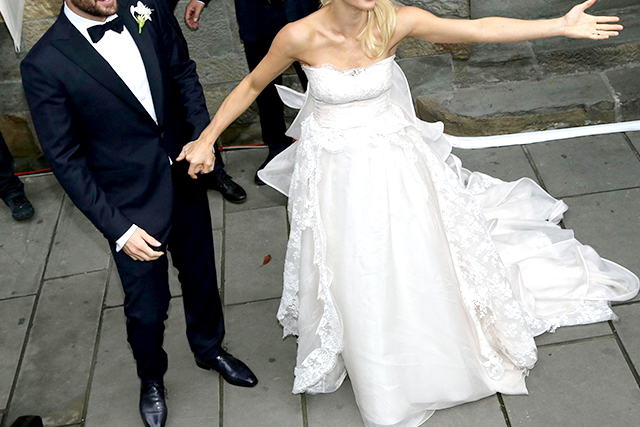
Today, most formal events that require a tuxedo explicitly state this on the invitation or through other forms of guest instructions, usually indicating a “black tie” dress code.
However, there are some occasions where the use of the tuxedo is implied and awaited, or at least warmly recommended.
Tuxedo for Theatre and Opera Evenings
Opera and theatre have traditionally been considered among the most prestigious forms of art and, as a result, have always required audiences to dress according to the highest standards of formal attire.
During special events, such as ballet premieres or the opening nights of major theatrical productions, it is still common in many cities to see the best seats occupied by enthusiasts dressed in tuxedos.
Tuxedo for Special Events and Evening Parties
Nowadays, the tuxedo has become widely accepted at many private events, such as gala dinners, where the more formal tailcoat was once considered the appropriate attire.
As mentioned earlier, however, most private formal events requiring a tuxedo will clearly specify it by indicating a “black tie” dress code.
In the absence of such an indication, thanks to the gradual relaxation of traditional formalwear etiquette, wearing a classic suit instead of a tuxedo is now generally considered acceptable.
Tuxedo for a Debut in Society
The debutante ball or deb – is a formal event that involves the formal introduction of young women as she has reached maturity typically 17 or 18 – into society as a new adult.
Although this occasion is limited to a very young and restricted band of society, the dress code for men attending this dance usually requires a tuxedo. Though this rule is not always respected by young people who often opt for dresses that are formally distant from the classic black-tie look.
Tuxedo for weddings
If you are invited to a late afternoon wedding, which takes place in a cathedral and is followed by an elaborate reception, it is likely that the bride and groom may have decided to opt for a black-tie dress code.
Considering that the official etiquette requires to wear a tuxedo only in the evening, the use of this type of dress is recommended only if the wedding takes place after 18 (or after sunset).
Having said that it is good to remember again how the use of the tuxedo even for weddings celebrated during the day has been widely cleared in North America; if you are invited to a wedding in the United States that will take place during the day, wearing a tuxedo could, therefore, be admitted.
Prom
Getting dressed for calls for some rules i.e just keep it classic, keep it timeless; and keep it tasteful. Once you have decided to wear a tux to prom you can not lack in details. We advise getting a custom-made tuxedo over renting one, the custom fit just enhances your personality like nothing else.
Prom is one of those occasions where you take all those important pictures and look back at them after years just to relive the magical night, you will thank yourself that you went for a timeless look that even after all those years seem very enchanting.
How to Wear a Tuxedo Properly
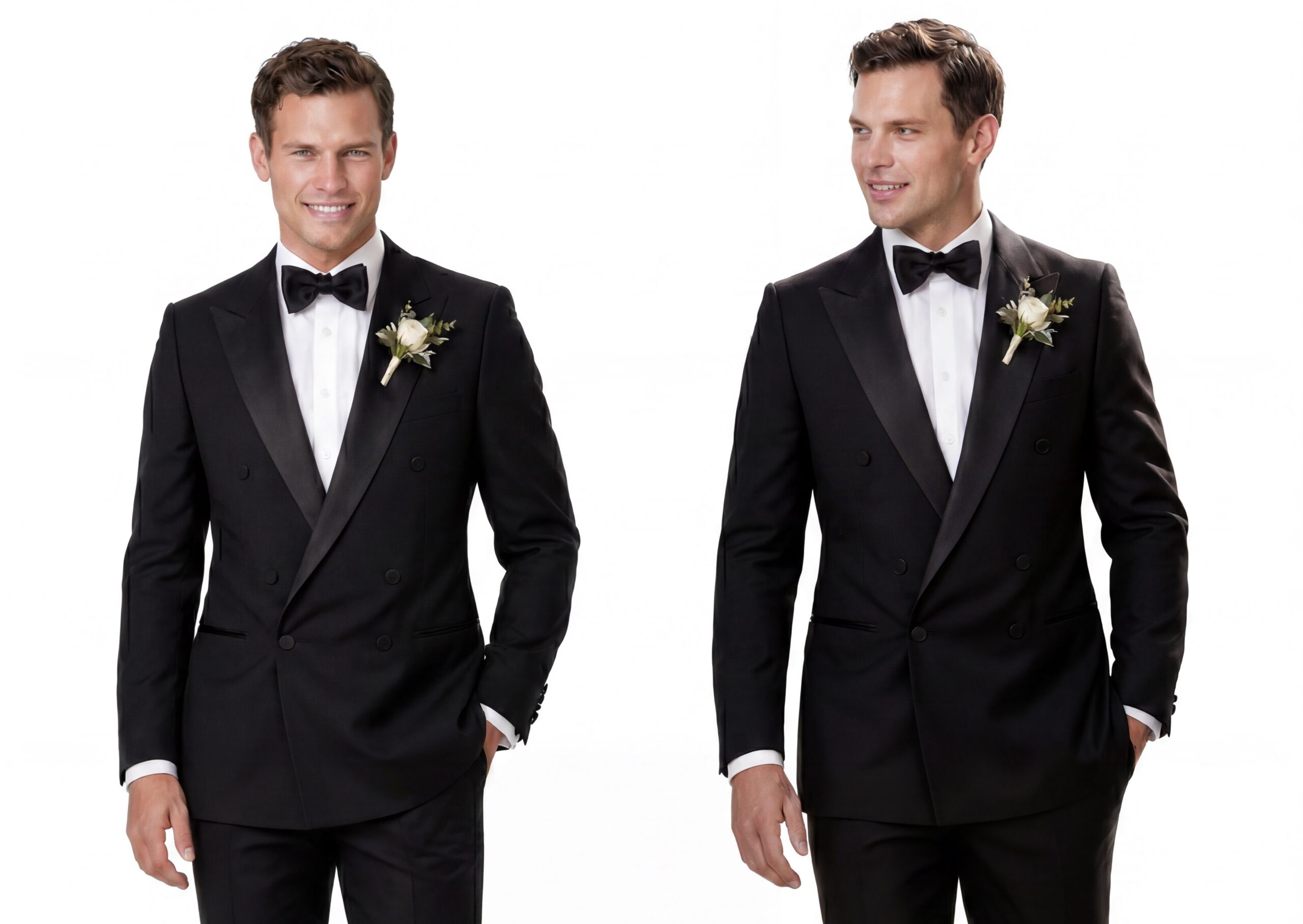
But what are the other details to seek when wearing a tuxedo? Here are some rules to choose the right dress and match it with the right accessories.
The jacket
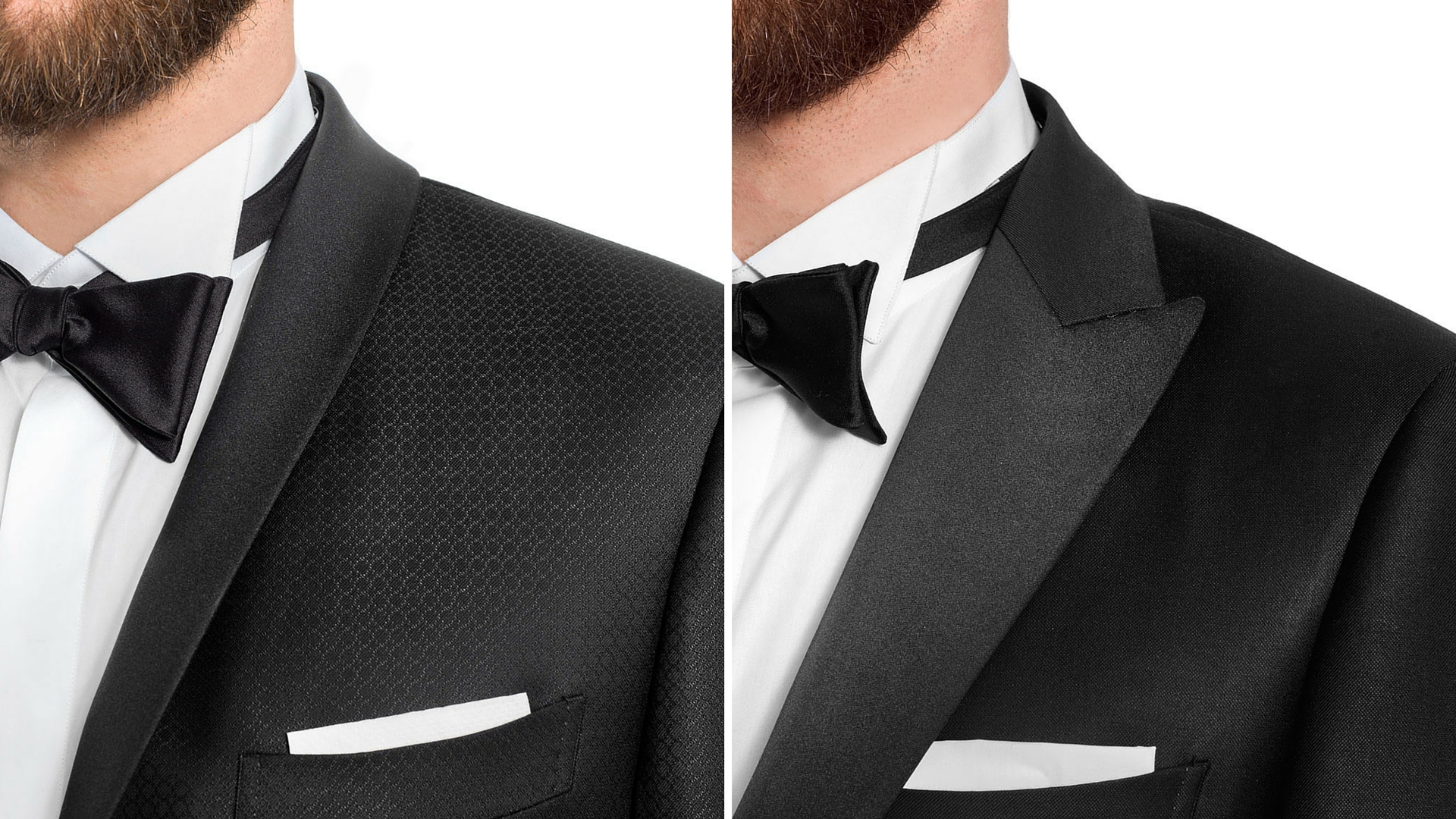
The tuxedo jacket must be strictly single-breasted without back slits and with a single button front fastening. Lapels? Exclusively peaked or shawl.
The jackets, two or three buttons, the ones you usually wear in the office, instead are not formal enough; better to reserve them for other occasions.
Another detail of the jacket to be kept in mind is the pockets: it is better to opt for welt pockets, they are more formal than the flap pockets.
Which Tuxedo Colour to Choose: Black, Blue or Ivory
Choose the colour of your tuxedo between the timeless black or the more contemporary blue. Black is always a safe choice for evening ceremonies and formal occasions, while blue offers an elegant alternative for those who prefer a more modern style.
In recent years, green has also become increasingly popular in its most refined shades, from forest green to bottle green: a sophisticated choice inspired by natural tones, allowing you to step away from tradition without compromising on elegance.
If the ceremony takes place outdoors or during summer, an ivory dinner jacket is the ideal choice: refined and perfectly suited to warmer months. For high-profile events, wearing white is acceptable only when the dress code allows it — especially for outdoor Hollywood-style celebrations.
Another interesting option is the contrasting combination of a white jacket with black trousers: a distinctive pairing that creates the perfect balance between tradition and contemporary elegance, ideal for those looking for a formal yet original look.
When it comes to men’s formalwear, focus on high-quality fabrics and carefully crafted details: satin lapels, a tailored fit, and understated accessories such as a black silk bow tie and a white pocket square are always the best choice.
The Shirt
The white shirt with a wing collar, worn with a black bow tie, is an essential element.
A black-tie shirt must always be white and can be customised with the traditional tuxedo collar.
Also known as a wing collar, this style is characterised by its distinctive front tips and is specifically designed to be worn with a bow tie.
Another important detail is the cuffs: they should be double cuffs (folded back on themselves) and feature buttonholes designed for cufflinks.
The Bow Tie
The bow tie? Black and made of silk. The white bow tie is reserved exclusively for white-tie attire. Leave the necktie in the wardrobe — at least this time.
The Trousers
When choosing trousers, opt for a pair designed to be worn with braces. Belts, although practical, are not suitable for such a formal look.
Choose black or white fabric braces rather than leather ones, or select a colour that matches your tuxedo.
Finally, avoid trousers with turn-ups or pleats, as they are not formal enough for the occasion.
Shoes and Socks
Wear black lace-up shoes, either polished or matte. Plain slippers without embroidery are also acceptable — just avoid shoes with excessive detailing.
Socks must be black and knee-length. No exceptions.
Other Details
Wear a waistcoat if your jacket features peak lapels, and choose a satin cummerbund with a shawl collar jacket. Customise your tuxedo with satin or twill details, such as the lapels and the iconic side stripe on the trousers.
Complete the look with a white linen or cotton pocket square. Some prefer to be more daring with red or burgundy silk — this can also work.
Etiquette: How to Wear a Tuxedo According to Formal Dress Codes
According to traditional etiquette, the rules for wearing a tuxedo are clear. A tuxedo should only be worn in the evening, never before 6 p.m.
The jacket can be single-breasted with one button or double-breasted with a 4+2 button configuration, featuring silk shawl or peak lapels and no back vents.
The buttons are covered in fabric, while the trousers should have no turn-ups, preferably no pleats, and may include the classic silk side stripe.
The shirt? White, with a wing collar and double cuffs for cufflinks. The bow tie must be black silk — the necktie stays in the wardrobe.
Thanks for pointing out that when wearing a tux it is better to opt for welt pockets, they are more formal than the flap pockets. My husband is thinking about renting a tux for a wedding that we are going to because the invitation says black tie. I think it would be smart to go in and try some tuxes on and when we do I’l have to remember to look for welt pockets.
That’s interesting that if it’s after sunset for a wedding it’s a good idea to wear a tux. Recently, my cousin announced he’s getting married and I don’t have a lot of formal clothes. I’ll have to look into getting a custom tuxedo.
I have had custom and off the rack tuxedos- own two now: a custom black notch collar and a midnight blue shawl collar off the rack from CT. Custom is great, not just for sizing, but because you can customize pockets, trims, buttons, etc. Both came with suspender buttons. Can’t believe that some OTR companies are now selling so-called tuxedo pants with belt loops.
We can’t agree more with you!